Introduction to Financial Management
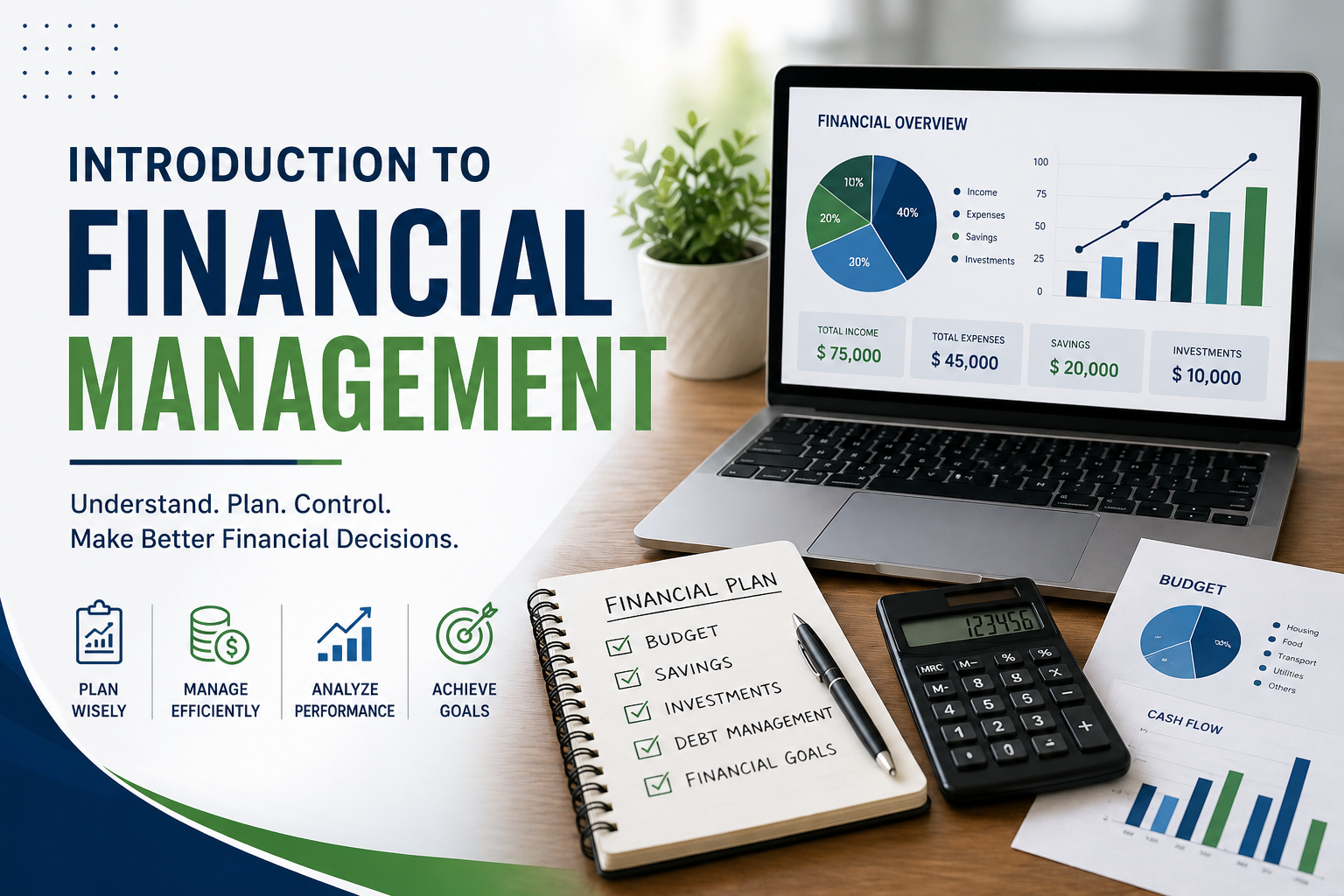
Getting Comfortable with the Money Side of Freelancing
You’ve already learned how to find clients, manage projects, and deliver great work. Now comes a part many freelancers overlook at first—but it’s just as important: managing your money.
Unlike a regular job where you get paid on a fixed schedule, freelancing puts you in charge of everything financial. You handle your income, track your spending, sort out taxes, and plan ahead for the future.
It might sound like a lot, but once you get into the habit, it becomes second nature. And the payoff is huge—you gain clarity, stability, and the freedom to make better decisions about your work and life.
When you manage your finances well, you’re not just surviving—you’re building something sustainable.
Core Financial Habits Every Freelancer Needs
To stay on top of your finances, you need a simple but consistent system. Here’s what really matters:
1. Invoicing and Getting Paid
Make it easy for clients to pay you—and clear about what they’re paying for.
Send professional invoices with all key details (services, rates, deadlines)
Invoice on time, especially after completing milestones
Use tools like FreshBooks, QuickBooks, or Wave to stay organized
Follow up on late payments—politely, but confidently
Also, set expectations early. Let clients know your payment methods, due dates, and any late fees upfront.
2. Tracking Your Money
If you don’t track your finances, you’re basically guessing—and that can lead to problems.
Keep records of everything you earn and spend
Categorize expenses (tools, internet, marketing, etc.)
Review your finances regularly to spot patterns
This helps you understand where your money is going, cut unnecessary costs, and stay prepared for taxes.
3. Taxes and Budgeting
Taxes are your responsibility now, so it’s important to plan ahead.
Set aside around 20–30% of your income for taxes
Learn the basics of your local tax system or talk to a professional
Create a simple budget to cover expenses, savings, and taxes
Budgeting isn’t about restriction—it’s about control. It helps you stay steady even when income fluctuates.
4. Building a Financial Safety Net
Freelancing income can be unpredictable, so having backup savings is essential.
Aim to save 3–6 months of living expenses
Start small if needed—consistency matters more than size
Think about long-term savings like retirement
Consider insurance if it makes sense for you
This safety net gives you breathing room. You won’t feel pressured to take every job, and you can handle slow periods without panic.
A Simple Example
Take David, a freelance web developer. He didn’t leave his finances to chance—he set clear payment terms, tracked every transaction, saved consistently, and got professional advice on taxes.
Because of that, he was able to handle ups and downs in income without stress and steadily grow his business.
The lesson is simple: don’t wait until there’s a problem—manage your money from the start.
Final Thoughts
Freelancing isn’t just about doing great work—it’s about running a smart, sustainable business.
When you stay organized financially, you give yourself options. You can choose better projects, invest in your growth, and plan for the future with confidence.
And remember, this is an ongoing process. You’ll keep learning and improving as your business grows.
Take Action
Here are a few practical steps you can start today:
1. Set up a system
Choose how you’ll track your income and expenses—spreadsheet or accounting software.
2. Create an invoice template
Keep it clear, professional, and consistent.
3. Understand your taxes
Learn what you owe and when, so you’re never caught off guard.
4. Start saving
Even small amounts add up—begin building your emergency fund now.
Quick Recap of the Course
Freelancing means working independently and offering your services to different clients
The gig economy makes flexible work more accessible than ever
Technology helps you connect with clients globally
Freelancing offers freedom—but also requires discipline.
Finding your niche helps you stand out.
A strong personal brand builds trust and attracts clients.
Managing your finances is what keeps everything running long-term.
Closing Thoughts
Freelancing gives you the freedom to design your own career—but that freedom comes with responsibility. When you combine your skills with smart financial habits, you set yourself up for a career that’s not just flexible, but stable and rewarding too.

Post Comment